
Hi everyone,
I am a 21-year-old, self-taught artist from Korea starting from absolute zero, aiming to become a 3D Generalist with a core focus on high-end cinematic animation in Blender.
My goal is **not to get a traditional studio job**, but to become an independent solo creator. I am fortunate enough to be in a position where I can commit full-time exclusively to this, and **I plan to dedicate the next 5 years entirely to studying Blender** to achieve my ultimate goal: creating intense, cinematic, and stylized-yet-photorealistic battle sequences.
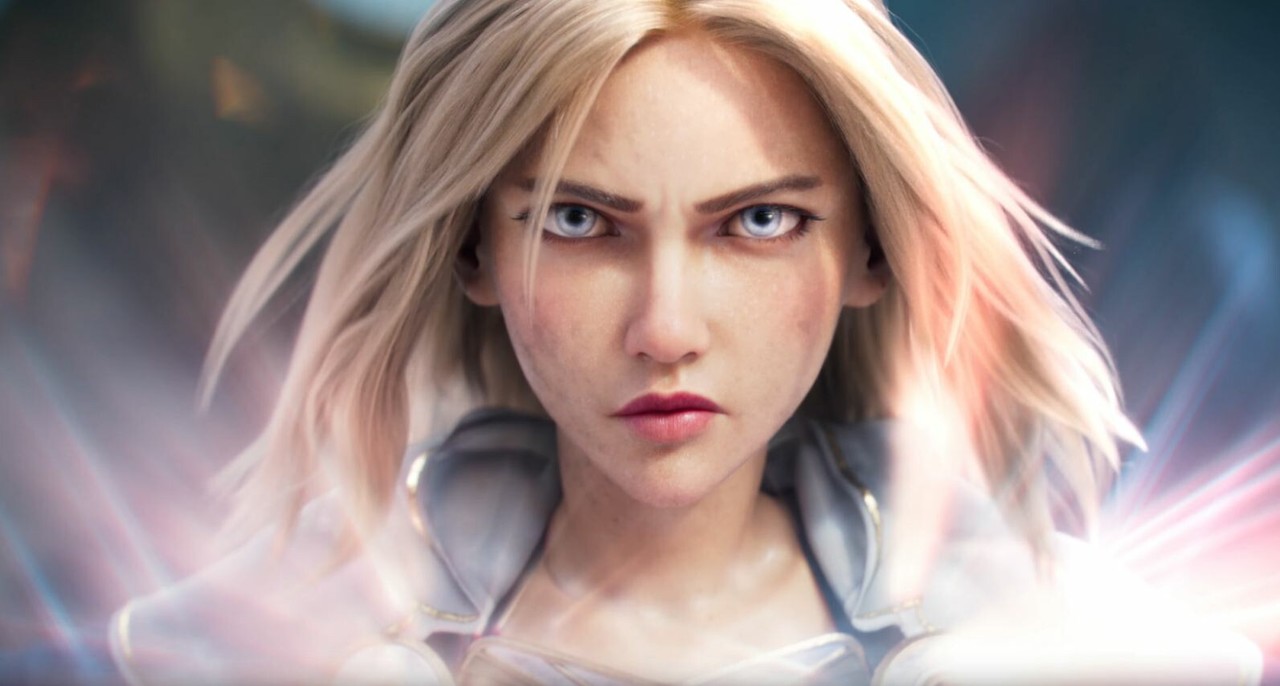
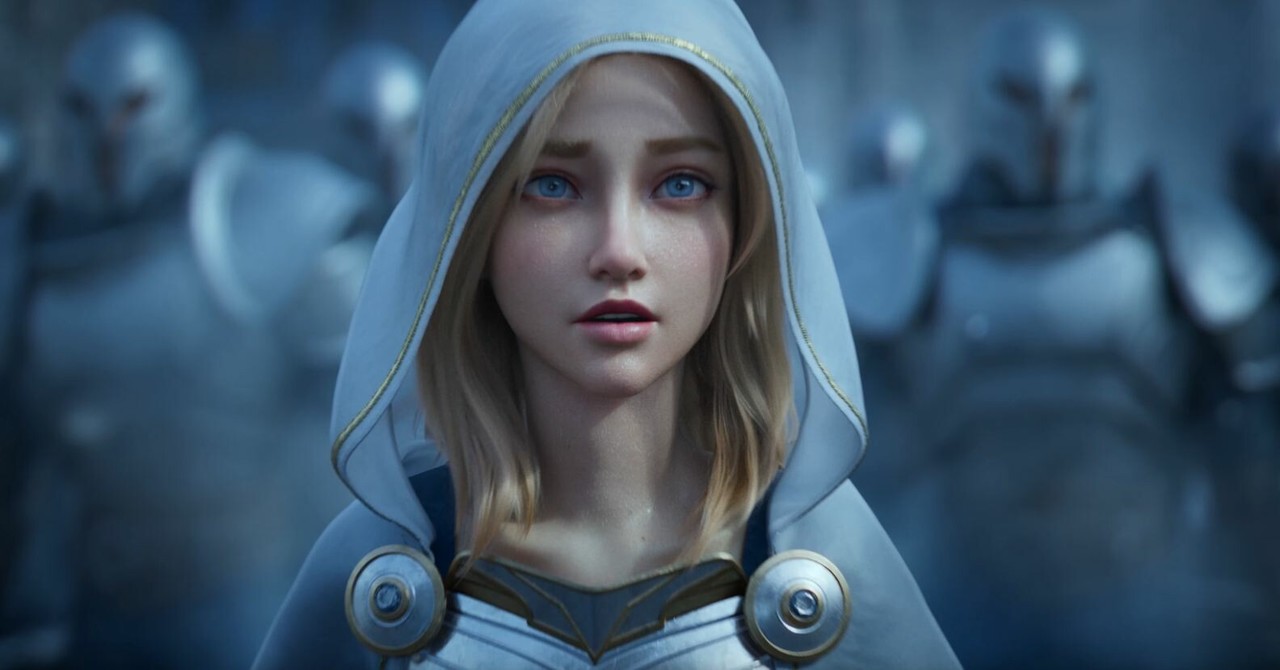
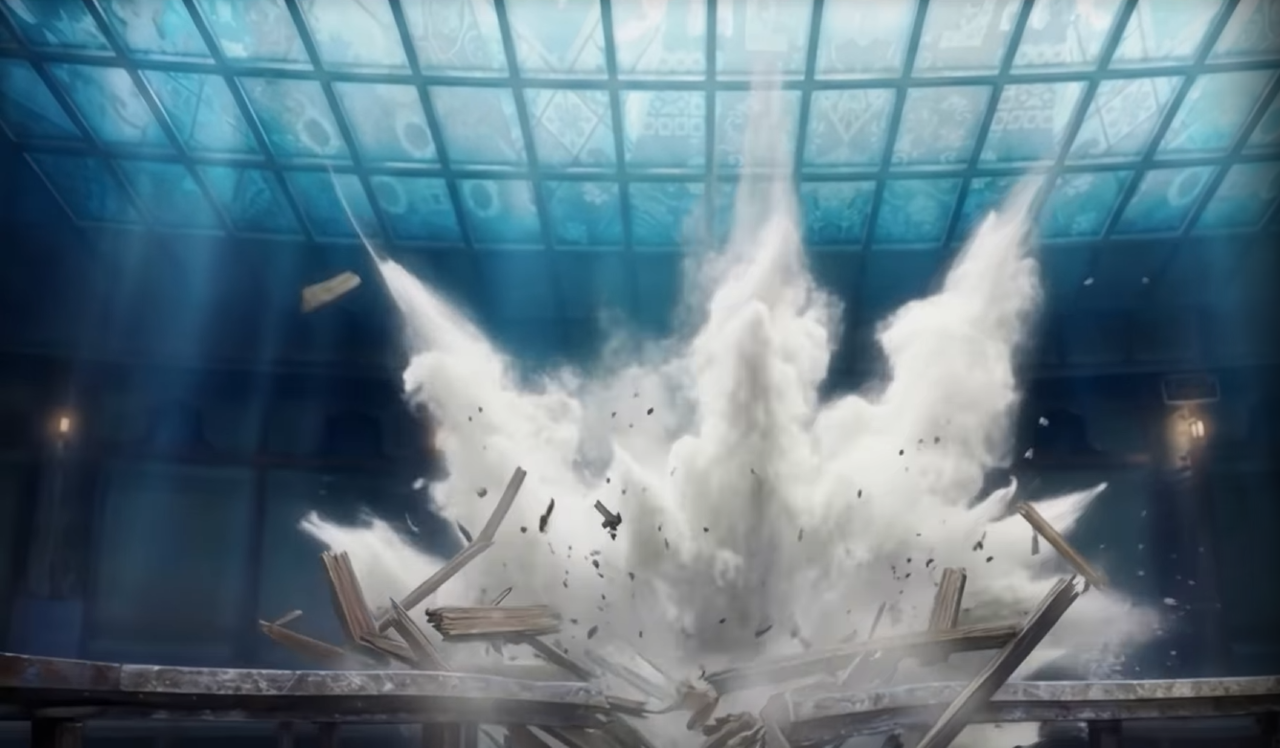
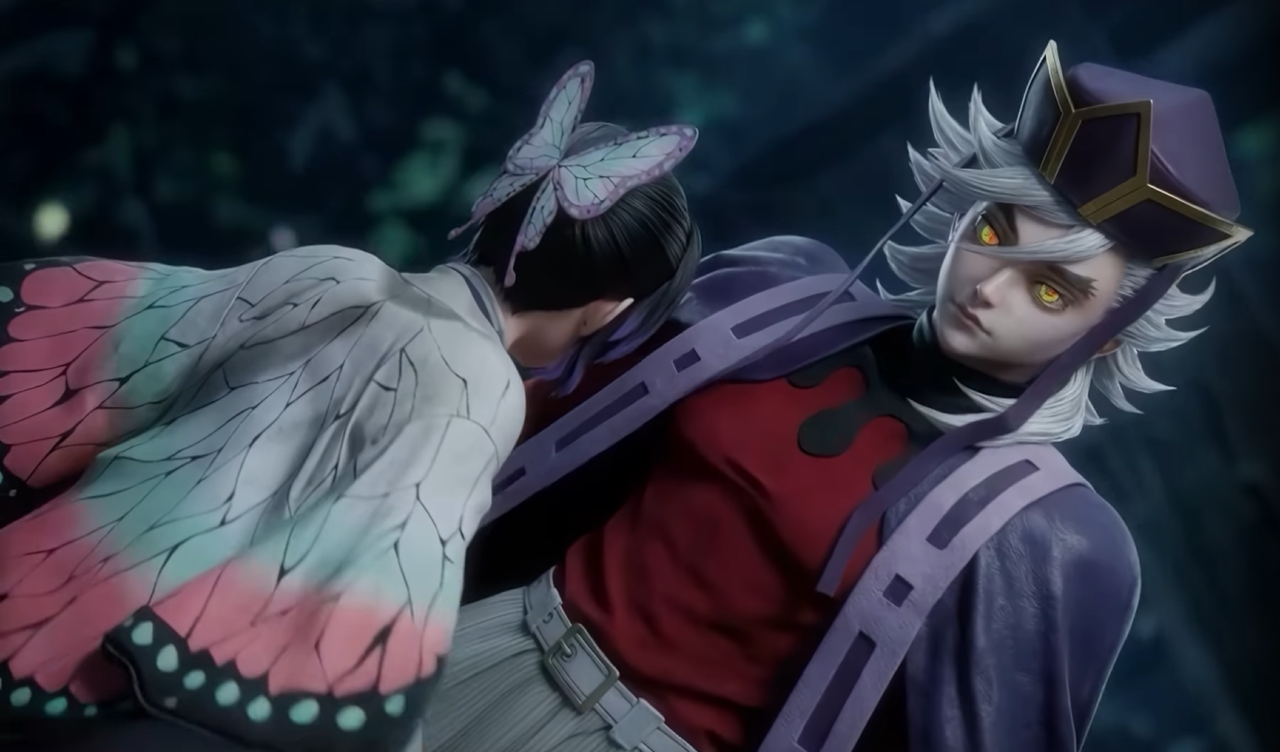
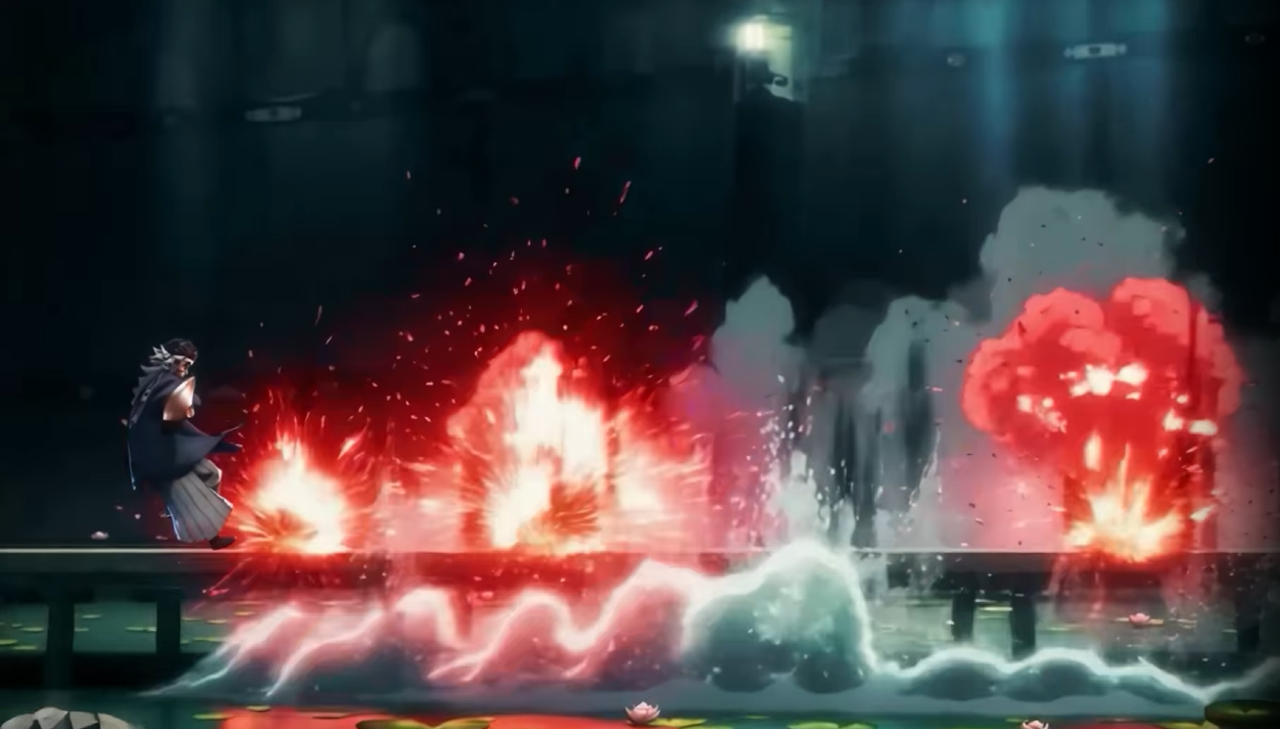
To give you a precise idea of the visual scale and energy I am targeting, here are my main benchmarks: (picture in the under below)
Reference 1 (Main Goal):** https://www.instagram.com/reel/DVmo8SADC2c/
Reference 2:** https://www.youtube.com/watch?v=aR-KAldshAE
Reference 3:** https://www.youtube.com/watch?v=S8Z3gGqc7W4
Right now, I am working my way through CG Cookie's **[3D Generalist Training Playlist](https://cgcookie.com/playlists/1470-3d-generalist-training).
As a solo artist trying to handle a massive pipeline to achieve this standard, I want to build a structured, self-directed learning habit. I would love your expert insights on three definitive questions:
1. What should a comprehensive learning roadmap look like to master this solo cinematic pipeline?
From core foundations to advanced execution, what is the most logical step-by-step sequence of skills I should study to build up the capacity to produce a full cinematic?
2. How can I objectively self-assess my progress to logically choose my next learning milestone?
After finishing a course or project, I often feel stuck in a vacuum, unsure of what I am lacking. Instead of aimlessly bouncing from tutorial to tutorial, what framework can I use to diagnose the exact gaps in my current work and strategically choose the right next step?
3. Within this pipeline, which disciplines require a deep dive, and which can remain at a baseline level?
Since I cannot master everything as a generalist, which specific areas are absolutely critical to dive deep into for this style of action cinematic, and which areas can I afford to keep at a functional, baseline level to optimize my time and energy?
> A short, honest confession (Please feel free to be blunt and give me a reality check!):
> To be completely honest, I am so overwhelmed right now because the overall 3D pipeline feels so massive that I have no idea what to focus on. Even as I follow my current training playlist, I already feel anxious that once I finish it, I will still be completely clueless about what to study next.
>
> I'm so lost that I'm not even sure if I am asking the right questions. My ultimate target is clear, but I genuinely have no idea how to actually build and structure a learning roadmap to get there. Please don't hold back—give me a reality check and help me find my footing.
Any guidance on structuring this journey would be deeply appreciated. Thank you for your time and expertise.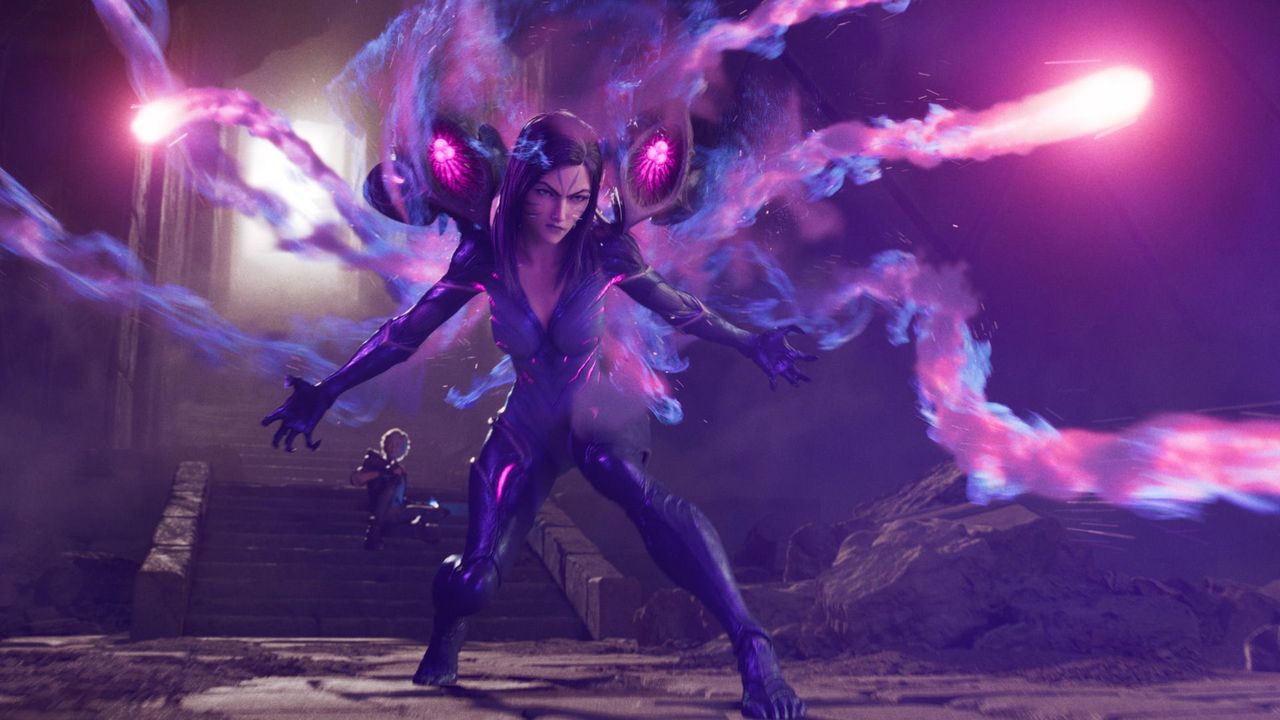



Your right in that there is so much to learn that it would be hard to cover everything. That's why people usually focus on one area in particular, whether that be modeling, FX, rigging, or animation. Keep in mind, too, that most "big projects" you hear about often have a team of at least 5-10 (if not way more) working on a single project. That's not to say you can't do a larger project yourself, but it would take more time.
I'd recommend going through CORE as it's an overview of everything, then focus on something that interests you. Once you get a bit of understanding, come up with a project idea that you think you can do, but might push you just a little bit. And when you have a problem, that's what you focus on learning next. Using your projects you want to complete will probably push you faster towards your goals than trying to learn "everything" before you start on anything.
By using your own projects, you might still wind up bouncing from tutorial to tutorial (whether here or on YouTube), but you would be doing so with more focus, learning what you need to complete the project at hand. (And learning this way, nothing says you have to finish a tutorial if you've learned what you needed to in order to complete what you're working on.. unless you decide to.... I have several courses here on CG Cookie I still haven't finished not because they weren't good courses, but because I got what I needed for the project at the time.)
The great thing is that regardless of what path you decide to take, there are tools and resources you can use for your own projects that can reduce (or eliminate) some of the work load of certain things. For example, if you figure out that you're really not into character modeling, but love animating characters, there's places where you can get pre-made characters that you can use as a starting point for creating your own characters, and some of them might already be rigged, which means you can jump into animating faster.
I have a lot of courses I haven't even looked at yet in part because they haven't interested me and some i Have that I've gotten into because they did or helped with some skill I wanted to learn. So you can learn that way.
Maybe others might have more specific lines you can consider that will help towards your goals, but some of this may help you too. Either way, good luck! And remember, you don't have to learn it all before you start anything :D If you already have a project that you want to do, what's the first thing you need to do to start that project? Once you know what you need to do for the first step, start it and if you have a gap in knowledge, then use that to inform what to learn next :D

Hi Bob Bob, I am loving the enthusiasm!
> 1. What should a comprehensive learning roadmap look like to master this solo cinematic pipeline?
I'd echo exactly what Grady said. It's a huge number of things to learn, but it just takes time and practice. CORE and Sessions are great starts, and then from there just pick a project that interests you. At this stage, every project will have something new to learn from! So just enjoy the process and have fun with it, and focus more specifically once you feel you're at more of an intermediate level.
> 2. How can I objectively self-assess my progress to logically choose my next learning milestone?
You could go through each step of the process and give yourself a separate grade for each area. How was your modeling? Texturing? Materials? Lighting? Animation? Compositing? Pulling it apart like that will help you find which areas you may have glossed over and want to focus on more in the next project. You can also pick a focus per project, so maybe one is a modeling heavy project, the next one is more simple modeling but with more complex textures and materials, etc. and build up from there.
> 3. Within this pipeline, which disciplines require a deep dive, and which can remain at a baseline level?
I'd deep dive on modeling and texturing first as they are the most foundational. A lot of people online might say lighting / compositing as a little bit can go a long way, but IMO modeling and texturing are way more foundational and, while harder, will serve you better in the long run. I'd only get into animation once you're quite comfortable with those two.
> To be completely honest, I am so overwhelmed right now because the overall 3D pipeline feels so massive that I have no idea what to focus on.
I remember feeling that way! And I think everyone who does 3D has had exactly this experience. But it's just one small step at a time. Focus on modeling something you think is interesting, and when you're satisfied with that get into improving your texturing, etc. It feels like such a slow process in the moment, but soon you'll look back and see how far you've come :)
Thank you both so much for taking the time to write such thoughtful and detailed responses! Knowing that even seasoned pros once felt this exact same overwhelm makes me feel incredibly relieved and validated.
gradyp Thank you so much for shifting my perspective toward project-based learning. Your advice to just start a project that pushes me slightly and learn dynamically to solve immediate problems completely relieved my anxiety. It’s a huge relief to know that I don't have to master "everything" before actually creating something, and that it's okay to jump between tutorials to find just what I need.
@JonathanLampel Thank you for the warm encouragement and for giving me a definitive starting point. Telling me to deep-dive into modeling and texturing first gave me the exact clarity I was desperately looking for. I will focus heavily on mastering those core foundations before rushing into animation. Also, your framework of "grading" each discipline after a project is an incredible tool that I will absolutely use to track my growth.
Both of your insights have given me the perfect blueprint to overcome my analysis paralysis. I’m no longer anxious—just incredibly excited to take my first small step. Thank you both again!
Basing your learning on your current project needs is called "Just in time" learning -- Learning what you need "just in time" for when you need it, and is the easiest way to get off the tutorial hamster wheel :D Once you've firmly grounded yourself on a particular topic, you no longer need to keep "watching videos" on that topic unless you come across something that you haven't learned yet. then you can find something that teaches that.. you can "skip" over all the irrelevant stuff... all the things you that you've "already" learned as well as anything that you're "not ready for yet".
That said... I'll admit that I do still watch a lot of tutorials... but now when I'm "watching" them, it's more for seeing different perspectives on how people do things or some nuance I hadn't been exposed to (if it's something I've already learned about before).
Over the last year or so, I've mostly been focused on Characters, so I've done BASEMESH, RIG, FACE, and HUMAN, but I also have an interest in doing some motion graphics so I dabbled in that and did the PRESS START course, though I've been modeling for years, just to see different ways that Lampell did things for that course. But because I had different focuses when I was doing them, I wasn't feeling overwhelmed. CRAFTSMAN, LUMINOR, BAKE and ASSEMBLE are among some of the ones that, while I might be curious about them, haven't been focused on what I was interested in learning at the moment, though I can come back to them (or even parts of them) when I'm ready to do them. (Actually... I think I watched through CRAFTSMAN, but it wasn't one that I felt I had to do a project on because I was just watching it for his approach and seeing similarities and differences from things I've already learned. But since I didn't have something in mind i wanted to use it for, I didn't create a project from it.)
If all you're doing is going from "tutorial to tutorial," waiting until you've "learned everything you need to know" and/or learning stuff "just in case you need it later", you'll spend a lot more time than you need to and can burn out. But you base what tutorials you're watching (even if you're "only watching parts of them"), you'll make a lot more progress faster!
I look forward to seeing what you share!
(If you're interested in learning more about "just in time" learning and other strategies that can help along the same lines, there's a book called "Lean Learning" by Pat Flynn that's an excellent read on how to learn more effectively using project-based learning.)
Also... another advantage to "project based learning" -- You'll have more fun because you'll start doing things that interest you rather than forever making stuff someone else came up with. And after a while, you'll figure some things out on your own that perhaps you've not seen anyone else teach yet for some reason. (I actually have several things that I've either not seen talked about much or not talked about using patterns in the way that I'm using them that I'm planning on doing some content about at some point.)