
I want to become an environment artist. For that specific goal, what skills should I prioritize the most? I don't want to spend excessive time perfecting a particular area if it won't have a major impact on my actual career. If a skill is less important for environment art, I'd rather learn it later and focus first on the things that will provide the biggest return for my goals.
I know some modeling some of u know...and my goal was to comfortable enough to move onto next chapter of learning and i can say now i am more or less comfortable in that part and now want to move on the next chapter but i don't know what that is?
I am trying to be as specific as possible so anyone giving me any advice it will be easier for them...i am sharing some images of what kind of environment artist I want to become for games.
Images are from resident evil village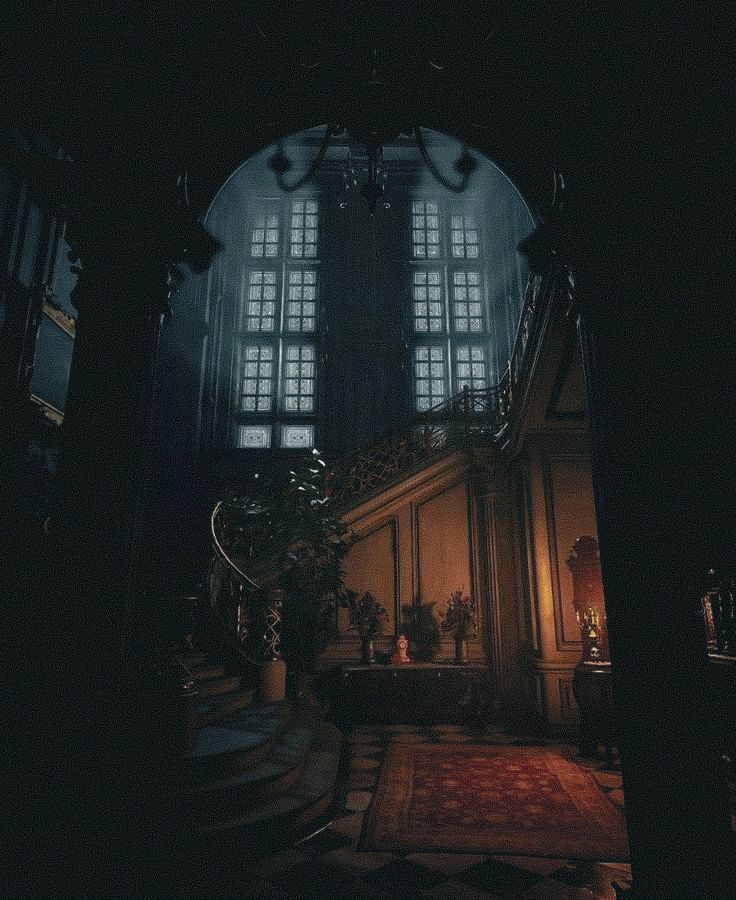
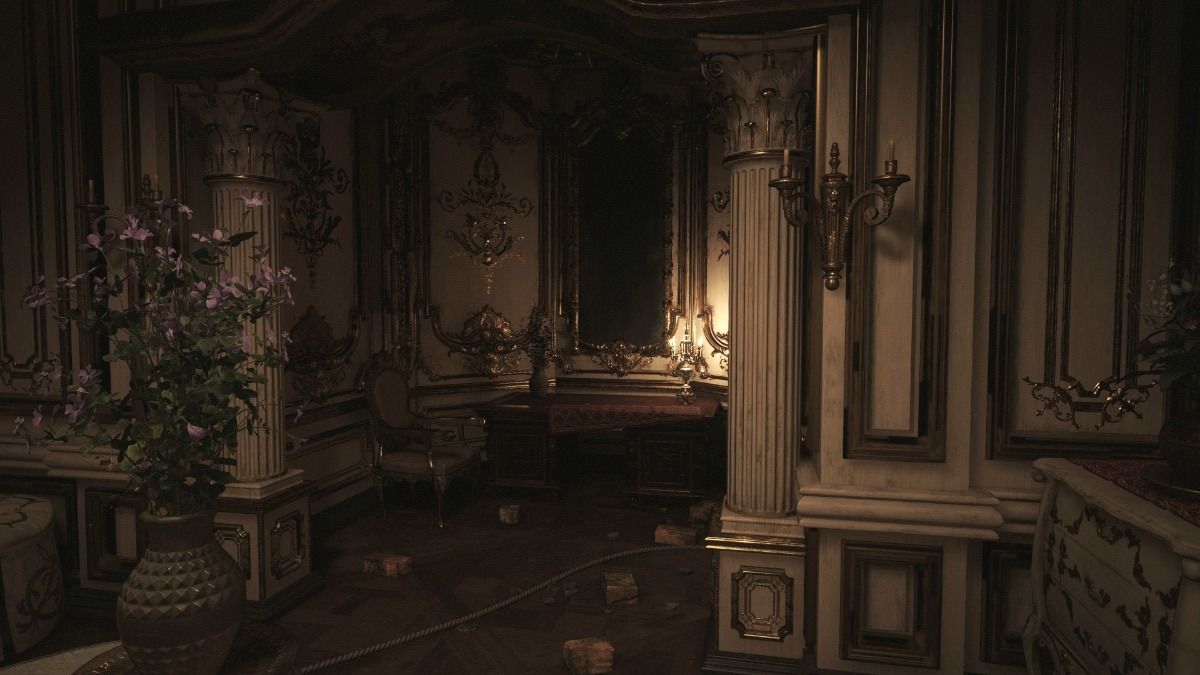
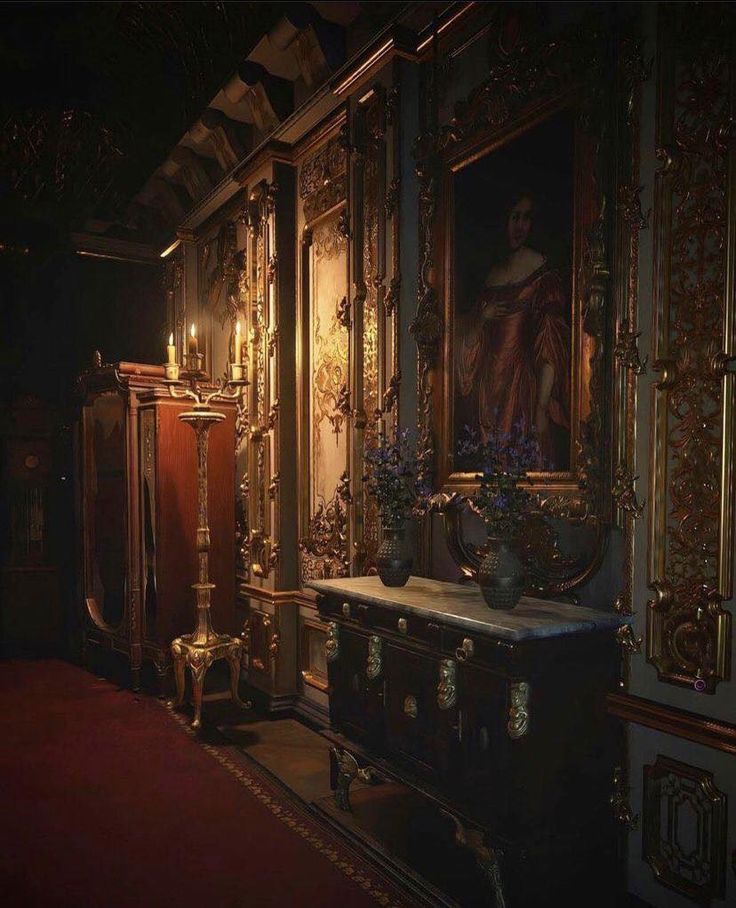
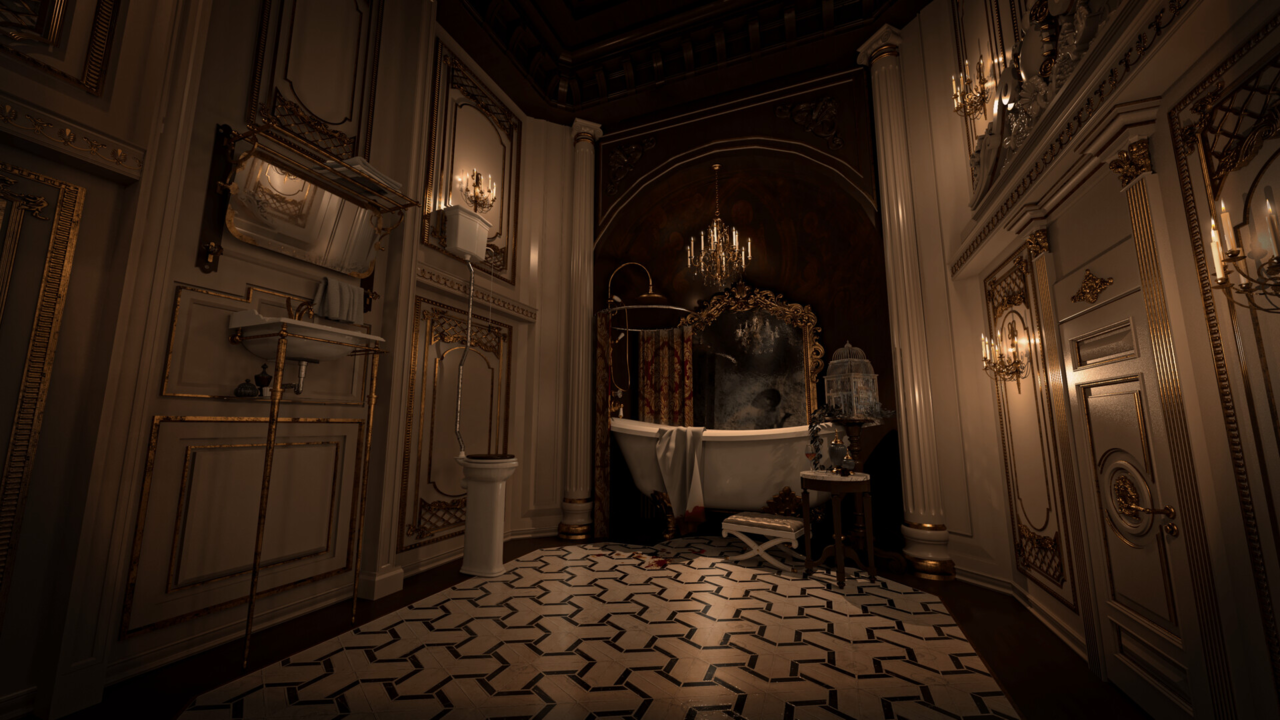

So, this brings up the question what type of environmental arts do you want to be.
Foliage and vegetation, level designer, props, environmental texture(volumetric and procedural), lighting, or generalist? Each one has different skill sets.

I'd say you'll have to learn Materials, Texturing and Shading always. Sculpting and Retopology will also be very valuable and don't forget about Lighting.
Now, these are not isolated skills, that you need to learn in a specific order. Sculpting falls in the Modeling category, but you can leav that for later, since you'vce already spend a long time on Modeling, so you might want to switch it up a bit, to 'keep you motivated'.

I agree with Martin. Materials, texturing and lighting are most essential for your next step. And you have a great scene from the modeling course already, which you can use to practise those skill.
Sculpting can be useful for many detailed objects, but it also takes a lot of practise. That's why I'd keep it for later on. Materials and lighting can make or break any scene, that's why I'd prioritize those.
Okay so i had to actually search all those terms dillenbata3 ...thank u very much for those infos...
Thank u very much martin and SFE-Viz....after reading all of ur suggestions...
I finally get it that i want be an environment generalist with strong taste on mood.. composition and light and storytelling..
So i think this roadmap is fine...plz do share what u think..or something need to be changed
Model → UV Unwrap → Bake → Texture/Material → Lighting → Atmosphere → Composition → Story
And lastly sculpting...
Mostly good, just the order is not that strict. You need to UV Unwrap, before you can Bake, but Materials/Texturing/Shading don't come strictly after Baking, but more alongside the Unwrap/Bake. And Lighting affects Materials, so you can't finish Materials/Shading and then start with Lighting. And you will also need to learn Compositing, but that comes after 'everything else', when you (hopefully) transform something that is good into something awesome.
Personally I would go modeling ->lighting-> Materials-> UV unwrapping -> texturing/texture painting->baking->animation(mostly focused on material animation)-> atmosphere(volumetric and skyboxes)->composting.
As for story, that's kind of detailed all thru out each part. The lighting and materials need tell a story. For example you don't want a bright sunny lighting during the middle of a horror game. Unless there's a reason. I would also add some none blender related studies like color theory. Specifically the phycology of color. This will help to blend the environment with the mood of the story. You can study the rest of color theory too, but color pallets are usually decided during the story development or first draft of game document. Depending on the development team.
Note: I know lighting is traditionally taught after materials and texturing, but it effect materials so much in game engines that I think it should be before. Just my opinion. Some argue that you need materials and textures to properly understand lighting. So it really comes down to how you learn. If you start leaving lighting and aren't getting it then stop go-to materials and textures then come back.
woo thank u martin and dillenbata3
i think i can now say i probably understand the base....so its like for a good enviroment artist i need to know both technical aspect so i can actually create...and the traditional enviroment theorys for example story telling..color theory..composition.. how light create moods..etc and now because i want it to learn for games i have to learn that specific pipeline so that i can actually optimize my assets and engine dont crash ans all....put all those together u now have become an enviromet artist..so for now i am gonna focus on the tech parts then brach out...
ohh and thank u for the light and material tip dillenbata3 i will see about that..what is working for me..
again thnak u both martin and dillenbata3
You will want to first make sure you are familiar with Blender inface and editors. You won't need to do rigging or compositing. You can watch Sculpting, animation, and Physics later on. Note: Compositing can be used to enhance images for certain textures. In rare cases rigging a complex environment effect/animation is done, but that is usually handled by a rigger. I'd also recommend starting the sculpting course. Some people take to sculpting like fish to water. I am not one of those people, but if you are then terrain and organic set props will be a lot easier for you.
CORE Nine Course Fundamental playlist
Once you are familiar with the modeling and material system in blender you can use these to help break up boredom and creation depression. Creation depression happens on almost all self projects. You can push thru or do as I do go to one of these quick projects. Plus these help to get you thinking about Composition Theories and developing the environmental artistic eye. There are lots of opportunities to test and change/adapt each project. Plus the adrenalin from being able to complete something helps me to push thru my creation depression on longer projects. Dare I say this could be one of the best playlist for an environmental artist.
SESSIONS Beautifully Simple Blender Projects playlist
There are a lot of older blender versions in the following playlist but the techniques and principles are still the same. You can skip the character focused courses.
If you don't know how to draw then you can check out my playlist, but note that I really need to go through and reorganize it...and finish going through the course :-) . I just kind of list them in order I thought they may go in based on the description. Sketching concepts and set designs are definingly a skill to help a generalist, because they often times either work directly with concept artist or take on the role of concept artist in smaller studios. In medium to large studios the concept art is usually handed to the environmental artist.
Thank u very much dillenbata3. Thnak u really for all those playlist too i am gonna check those out definately...
and lots of info to digest haha...Thank u...