
Fundamentals of Lighting shows how to light a scene in Blender 5.2 LTS using both Cycles and Eevee, covering light types, exposure, HDRIs, shadows, color, and classic lighting techniques. Jesse, known online as Kaizen, teaches the course, applying every technique directly to a small set of recurring scenes: a simple chair, a living room, a marble bust, and a horse statue.
Lighting is one of the most transformative skills you can learn in Blender. The same model can look flat and lifeless or convincing and dramatic depending entirely on how it's lit. This course covers the technical side, how light is calculated in Cycles and Eevee, exposure, color management, HDRIs, and shadows, alongside the classic, timeless techniques photographers and painters have used for lighting portraits and objects for centuries.

The same handful of scenes gets relit again and again throughout the course, so you can see directly how a single change in setup changes the result. A living room with a guitar demonstrates exposure and color management. A simple chair shows the difference between flat lighting and lighting with intention. A horse statue demonstrates ambient and silhouette lighting, and a marble bust carries all six classic portrait lighting setups, from Rembrandt to butterfly to loop with a rim.
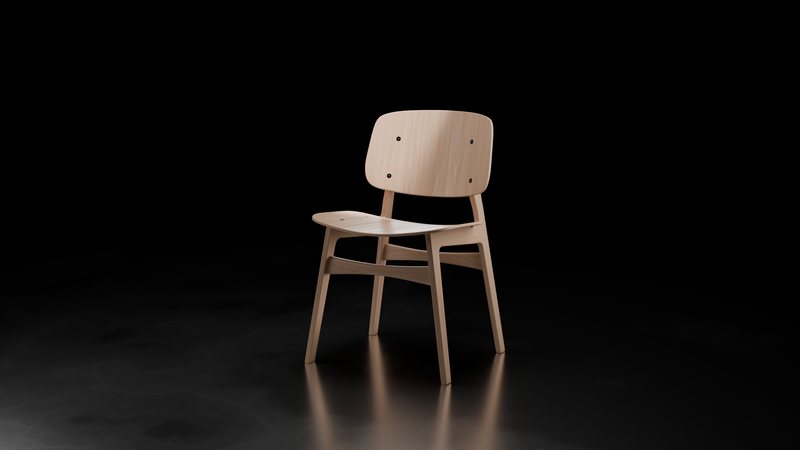
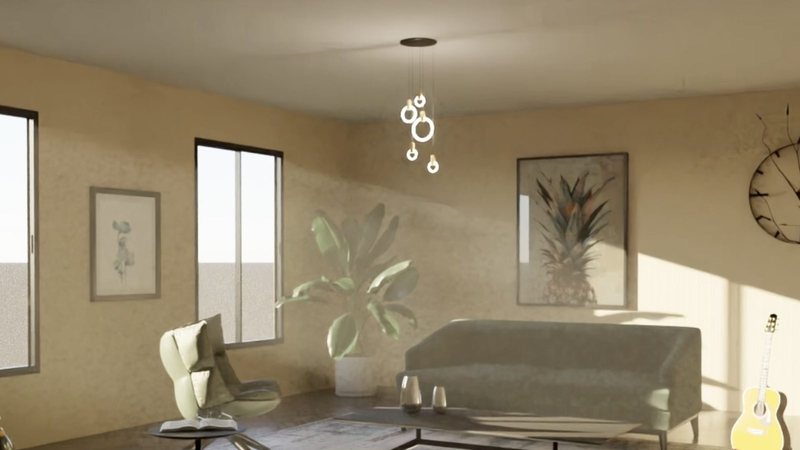
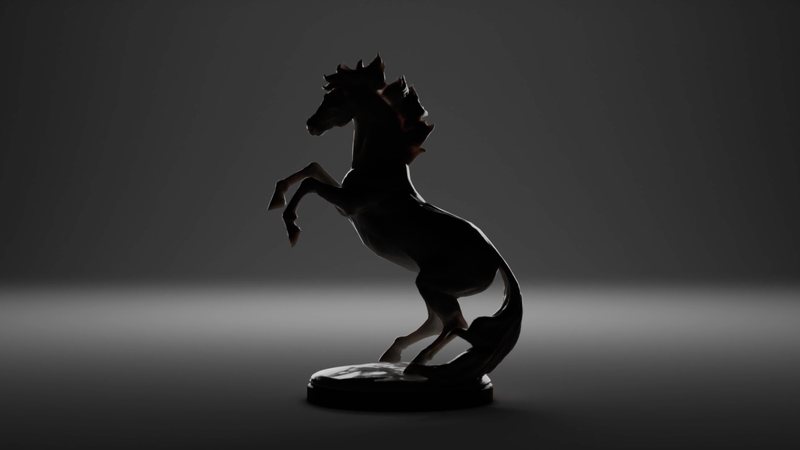
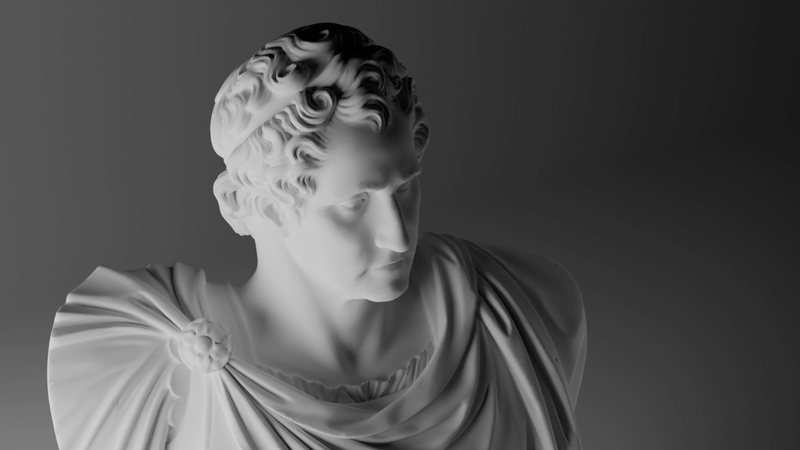
By the end, you'll understand both the technical settings behind Blender's lighting systems and the classic techniques used to light portraits, objects, and full scenes with intention, in either Cycles or Eevee.
This course assumes general comfort with Blender's interface. No prior lighting experience is required, and the core principles covered apply to any recent version of Blender, not just 5.2 LTS.

YOUR INSTRUCTOR
Jesse, known online as Kaizen, teaches Lighting at CG Cookie. He takes you from the fundamentals of light in Cycles and Eevee through exposure, HDRIs, and shadows, then applies the classic techniques of three point, portrait, and silhouette lighting to a recurring set of scenes.
No. The course covers lighting fundamentals from the ground up, and only assumes general comfort with Blender's interface.
Blender 5.2 LTS, though the core lighting principles taught in this course work in essentially any recent version of Blender, since the fundamentals of lighting haven't changed much in years.
Both. Dedicated chapters cover how lighting is calculated in each render engine, and the course's classic lighting techniques chapter applies regardless of which engine you use.
A recurring set of scenes used throughout the course: a simple chair, a living room, a marble bust, and a horse statue, each relit multiple times to demonstrate different techniques.
Yes. Six classic portrait lighting setups, including Rembrandt, split, butterfly, and loop with a rim, are all demonstrated on the same marble bust.
Get this course and 292 others by joining CG Cookie
